

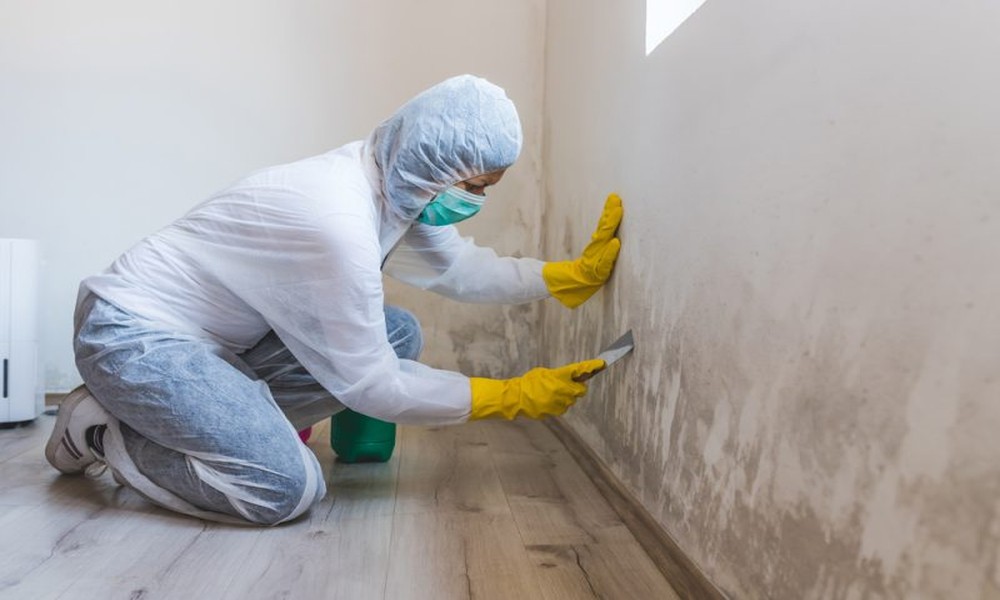
In Georgia’s climate, skipping mold testing before a home purchase isn’t just an oversight. It’s a gamble with your health and your investment.
What Mold Testing Actually Is (And What It Isn’t)
A standard home inspection covers the obvious stuff – roof condition, HVAC function, electrical panel, plumbing. What it doesn’t include is air quality analysis or hidden mold detection. A general inspector might note visible mold if they happen to see it. But most mold growth in Georgia homes is hidden – inside walls, under flooring, in crawl spaces and attics – and a visual walkthrough won’t find it.
Mold testing is a separate, specialized process that involves:
- Air sampling – captures spores present in the indoor air and compares them to outdoor baseline levels
- Surface sampling – swab or tape lift samples from suspected areas identify specific mold species
- Bulk sampling – small material samples from walls or floors sent to a lab for analysis
- Moisture mapping – thermal imaging and moisture meters detect wet areas inside structures where mold is likely growing even if not yet visible
The results tell you not just whether mold is present, but what type, how concentrated, and whether indoor levels are elevated compared to outdoor air – which is the key indicator of an active indoor mold problem.
When Mold Testing in Alpharetta Makes Sense
You don’t need to test every home for mold in every situation. But there are specific circumstances where mold testing Alpharetta GA is clearly the right call:
- Before buying a home – especially properties built before 2000, homes that have been vacant, or anything with a history of water damage disclosed in the seller’s documents
- After water damage – a burst pipe, roof leak, or flooding event; testing after remediation confirms the job was done correctly
- When symptoms appear – unexplained allergy-like symptoms, chronic fatigue, or respiratory issues that improve when you leave the house
- Before and after renovation – opening walls in older homes frequently reveals mold; testing before demolition protects workers and occupants
- During a real estate transaction – as a buyer, you can request mold testing as a contingency; as a seller, proactive testing removes a major objection
- If you smell something but can’t find the source – a persistent musty odor is one of the most reliable indicators of hidden mold growth
Why Alpharetta Homes Are Not Immune
Alpharetta’s newer construction gives some homeowners a false sense of security. New doesn’t mean mold-proof. In fact, several factors specific to the area create mold risk even in recently built homes:
- Construction moisture – new builds can trap moisture inside walls if framing wasn’t fully dry before drywall installation; mold can establish during the build process itself
- Irrigation systems – landscaping common in Alpharetta’s planned communities keeps soil consistently moist near foundations
- Rapid development – fast-build timelines sometimes mean vapor barriers and waterproofing don’t get the attention they deserve
- Seasonal storms – Alpharetta sits in a zone that gets significant storm activity from spring through early fall; any roof or window vulnerability means water intrusion risk every season
- Sealed modern homes – energy-efficient construction reduces air exchange, which is great for utility bills but traps indoor humidity if ventilation isn’t properly designed
How to Read Mold Test Results
Lab results come back with spore counts by species. The numbers alone don’t tell the whole story – context matters:
The key comparison is indoor vs. outdoor spore levels. Some mold spores are always present in outdoor air. If your indoor levels are significantly higher than outdoor baseline – or if you have indoor species that aren’t present outdoors – that points to an active indoor source.
Certain species warrant immediate attention regardless of count:
- Stachybotrys (black mold) – should not be present indoors at any meaningful level
- Chaetomium – strongly associated with water-damaged materials
- Aspergillus/Penicillium – common, but elevated indoor counts suggest a hidden moisture problem
A certified industrial hygienist or mold professional will interpret results in context of the home’s construction, history, and the sampling conditions on the day of testing.
What Happens If Testing Finds a Problem
A positive test result isn’t the end of the world – it’s information that puts you in control. Depending on the scope:
- Minor surface mold in isolated areas (under 10 square feet) can often be addressed with targeted professional cleaning and moisture correction
- Moderate contamination in one area typically requires professional remediation with containment, material removal, and post-clearance testing
- Widespread contamination across multiple areas or inside structural components means a full remediation plan – and as a buyer, strong negotiating leverage or grounds to walk away entirely
If you’re under contract on an Alpharetta home and testing reveals a significant mold issue, you have options: negotiate a price reduction, require the seller to remediate before closing, or exit the contract during the inspection period.
Finding the Right Mold Testing Professional
Not all mold testers are equal, and in Georgia, the industry has minimal licensing requirements – which means the quality of testing varies widely. Look for:
- IICRC or ACAC certification – industry credentials that indicate formal training
- Independence from remediation – the best practice is to have testing done by a company that doesn’t also do remediation, to avoid conflicts of interest
- Lab accreditation – samples should go to an accredited third-party laboratory, not an in-house facility
- Detailed written report – results should include species identification, spore counts, outdoor comparison, and clear interpretation
For Alpharetta homeowners navigating a purchase or dealing with unexplained health symptoms, certified mold testing Alpharetta GA professionals provide the objective data you need to make informed decisions – before a hidden problem becomes an expensive one.