

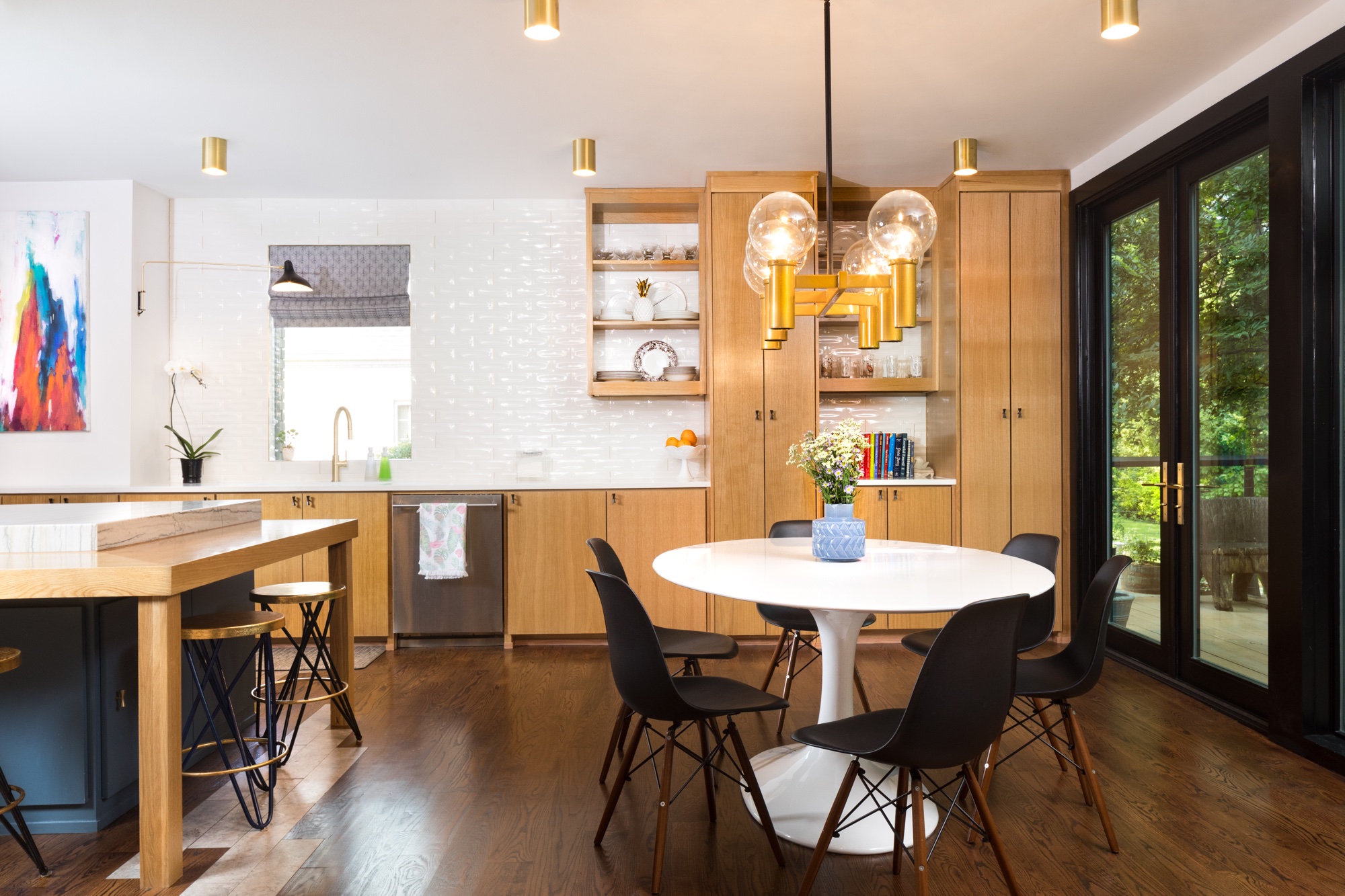
Choosing the right dining table for a small room requires careful consideration of space, function, and style. A table that fits well can make the room feel open and inviting, while a poorly sized table can create congestion and hinder movement.
Measure Your Space Carefully
Start by measuring the length, width, and layout of the dining area. Consider the space needed for chairs and movement around the table. Typically, allow at least 36 inches from the edge of the table to the walls or other furniture for comfortable circulation.
Many buyers consult Coleman Furniture reviews to see how different table shapes perform in actual homes. These reviews provide practical insights on dimensions, seating capacity, and how a table fits into tight spaces.
Understanding Table Shapes
Rectangular tables work well in narrow rooms and can seat more people along the length. Square tables are ideal for small square rooms and encourage conversation among diners. Round tables create a sense of openness and can fit snugly into corner spaces while offering flexible seating. Oval tables combine the benefits of round and rectangular tables, providing smooth edges and additional seating without sharp corners.
Consider Traffic Flow
Ensure that the table’s placement does not obstruct entryways or pathways. In small spaces, round or oval tables often allow easier movement around the room compared to rectangular or square tables, which may block corners or doorways.
Optimize Seating Capacity
Think about how many people will regularly use the table. For small dining rooms, tables with leaves or extendable options can accommodate more guests when needed without permanently taking up extra space. Coleman Furniture reviews frequently note which table designs balance comfort and compactness effectively.
Material and Visual Weight
Light-colored woods or glass tops can make a small room feel larger. Avoid bulky or heavy tables that dominate the space. The material and finish should complement existing furniture while maintaining a sense of openness.
Multi-Functional Options
In tight spaces, consider tables that serve multiple purposes. Drop-leaf tables, folding tables, or those with built-in storage can maximize utility without sacrificing style or comfort. Reading Coleman Furniture reviews helps identify designs that have proven practical in real households.
Visualizing the Layout
Sketching a layout or using digital planning tools allows you to test different table shapes and positions. Include chairs in your measurements to ensure enough room for seating and movement. This proactive planning prevents surprises and ensures the table integrates smoothly with the room.
Final Considerations
Selecting the right table shape for a small dining room involves balancing measurements, traffic flow, seating needs, and aesthetic preferences. Insights from Coleman Furniture reviews provide real-world guidance on functionality, comfort, and space utilization. By considering these factors, small dining rooms can be both practical and stylish, providing a welcoming space for meals and gatherings.