

Key Takeaways
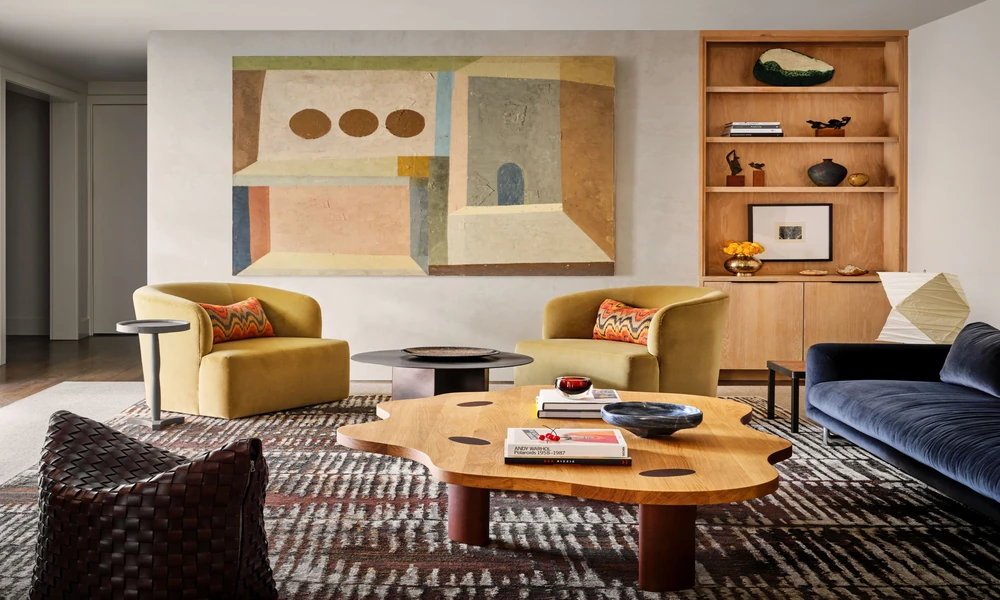
Contemporary furniture stands out for its remarkable adaptability. Defined by clean lines, minimalist shapes, and a soothing neutral color palette, it encapsulates current trends beautifully. This design style goes beyond aesthetics; it fosters emotional resonance, turning living spaces into welcoming environments.
Within the realm of contemporary furniture, several popular styles shine. Mid-century modern design emphasizes organic forms and artistic expression. Scandinavian minimalism, on the other hand, champions simplicity, focusing on functionality with light woods and soft hues. Both styles hold a timeless appeal, making them favorites among many.
This year’s color trends see a rise in earthy tones alongside vibrant jewel shades like terracotta and deep blue. These colors elevate emotional responses and add visual intrigue to spaces, all while keeping a balanced atmosphere.
Innovative materials are reshaping contemporary furniture design. The integration of sustainable fabrics and smart technologies enables not just functional but environmentally responsible pieces, aligning with the values of today’s consumers.
In Dallas, curated showrooms such as Bova and West Elm invite clients to explore how diverse contemporary pieces harmonize. Professionals in these spaces offer valuable insights, ensuring selections reflect personal styles and spatial realities.
When it comes to online shopping, buyers need to discern quality effectively. Reading consumer reviews, examining material specifics, and grasping return policies can significantly enhance satisfaction and minimize disappointment.
Space-saving solutions, such as sofa beds and modular shelving units, make contemporary design particularly appealing for small living spaces. These pieces maximize both utility and aesthetics, offering stylish and practical environments.
Discovering the Allure of Contemporary Furniture in Dallas
What Makes Contemporary Designs Stand Out?
In the expansive field of interior design, contemporary furniture captivates by merging function, form, and aesthetic appeal. It’s often confused with ‘modern’ design, yet it defines a more fluid style, one that’s perpetually evolving. Typically, contemporary pieces boast clean lines, minimalist shapes, and a neutral color scheme. But what’s really fascinating is their remarkable adaptability to current trends. Experts frequently highlight how this style discards the confines of traditional decor to embrace a sense of fluidity.
Clients often share their admiration for how these pieces evoke both simplicity and sophistication. They’re equally suitable for cozy apartments and expansive homes. The charm extends beyond physical appearances; it stems from the emotional resonance they create. A well-placed piece can entirely alter the ambiance of a room-a true testament to the influence of contemporary furniture. This design invites an open dialogue between the furniture and its surroundings, enriching the living experience.
Exploring Popular Styles for Modern Homes
Among the myriad of styles, certain staples hold a prominent place in contemporary design. Mid-century modern and Scandinavian minimalism are prime examples. Often characterized by organic forms, mid-century pieces blend traditional and contemporary materials seamlessly. Their appeal lies not just in functionality but in an unwavering commitment to artistic expression. Conversely, Scandinavian design shines through its focus on simplicity and usability, often displaying light woods and soft color palettes. When compared to other styles, these designs undeniably echo a sense of timelessness.
- Mid-Century Modern: Infused with wooden curves and a splash of color.
- Scandinavian Minimalism: Emphasizing ‘less is more’, it marries functionality with style.
- Industrial Chic: Appeals to urban dwellers who fancy raw materials and sleek finishes.
Selecting a style is important, but it’s just as crucial to understand how pieces interact in the space. Each element contributes to creating an overall cohesive appearance.
Top Trends in Contemporary Furniture for 2023
Color Palettes: What’s Making Waves This Year?
This year’s color trends strike a bold and refreshing tone. Many experts highlight earthy tones combined with vibrant jewel shades commanding attention in contemporary furniture. Colors such as terracotta, olive green, and deep blue inject character into any room without overwhelming it.
The data suggests that incorporating color can significantly affect a buyer’s emotional response to a space.
However, it’s not merely about color; balance plays a vital role too. Neutral hues work wonders paired with striking accent pieces. For example, a grey sectional could serve as the perfect backdrop for an emerald green throw pillow. Mixing shades enhances visual interest while preserving tranquility. Achieving that harmonious balance often lays the groundwork for contemporary elegance.
Innovative Materials: The Future of Furniture Construction
Materials are undergoing evolution, and this shift is clearly visible in contemporary furniture design. The rise of sustainable, high-tech materials is reshaping the landscape. Choices range from eco-friendly fabrics to lightweight metal and engineered woods, significantly influencing both designers and consumers. Today, advances in technology enable the creation of art-like furniture that retains functionality.
- Sustainable Fabrics: Options like organic cotton, recycled plastics, and hemp are on the rise.
- Composite Materials: Delivering durability while maintaining aesthetic allure.
- Smart Materials: Furniture adapting to its environment is poised to be a major trend.
This evolution not only boosts aesthetic value but also underscores a commitment to environmental responsibility. Consumers increasingly connect with their purchases, recognizing the alignment with their values during the selection process.
Where to Find Premium Contemporary Furniture in Dallas
Must-Visit Showrooms for the Best Selection
Finding the perfect piece of contemporary furniture in Dallas involves more than just aesthetics; it encompasses the entire experience. Showrooms like Bova curate selections that reflect the latest trends alongside timeless designs. Stepping into these spaces allows clients to visualize how various pieces work in harmony. The layouts often emphasize flow, giving customers the chance to explore diverse styles and concepts at their own leisure.
In these curated environments, professionals offer insights that help ensure choices resonate with the client’s vision, lifestyle, and available space. After all, what’s more satisfying than knowing a furniture investment will elevate the home? A showroom visit feels like entering an elaborate gallery where every piece tells its own story. Here are several must-visit showrooms in Dallas:
- Bova: A prime choice for modern designs.
- West Elm: Blending contemporary styles with global influences.
- Room & Board: Prioritizing sustainable options.
Online Shopping: How to Choose Quality Furniture Remotely
As for online shopping? While nothing truly compares to the experience of testing a sofa in person, the digital marketplace offers unmatched convenience. Clients seeking contemporary furniture in Dallas can navigate an array of options with just a few clicks. The trick? Knowing what to look for and how to assess quality effectively.
- Read Reviews: Consumer feedback yields invaluable insights.
- Examine Materials: Scrutinize the specifics of fabric and construction.
- Understand Return Policies: Familiarize with options should a piece not meet expectations.
Although the purchasing process may seem straightforward, careful discernment is necessary to avoid pitfalls. Analyzing dimensions and comprehending return guidelines can substantially mitigate potential disappointment. That thorough approach ensures the online shopping experience is both rewarding and satisfying.
Maximizing Your Space with Contemporary Furniture Solutions
Space-Saving Furniture: Stylish Ideas for Small Homes
Urban dwellers frequently face space constraints. However, contemporary furniture offers stylish solutions. Consider space-saving designs that serve dual purposes. Options like sofa beds, extendable dining tables, and modular shelving can turn cramped areas into functional sanctuaries. Why sacrifice style when innovative designs rise to the occasion?
For clients residing in smaller spaces, it’s essential to explore how furniture can elevate both utility and aesthetics. By embracing multi-functional options, residents can create inviting environments that feel spacious rather than cramped. Here are some remarkable solutions:
- Sofa Beds: Ideal for hosting guests without compromising style.
- Murphy Beds: Perfect for transforming a studio into a comfortable guest room.
- Storage Ottomans: Providing both seating and practical storage.
How to Mix and Match to Enhance Your Living Environment
Creating a harmonious space often involves mixing various elements, including furniture styles. Although contemporary designs center around simplicity, creativity invites unexpected pairings. Clients might consider merging sleek, modern sofas with rustic wooden tables. Often, these contrasts don’t clash; rather, they complement and enhance each piece’s uniqueness.
Balance remains key. A solid rule of thumb? Stick to a cohesive color palette while allowing for diverse textures. This approach keeps the overall look unified yet dynamic. Discovering the magic in contrasts can elevate any contemporary space from merely pleasant to utterly breathtaking.
- Textures Matter: Blend smooth fabrics with rugged finishes.
- Color Harmony: Use accent colors to unify diverse pieces.
- Proportions: Pair larger items with sleeker, smaller elements to create focal points.
Ultimately, engaging with design allows for personal expression in a distinctive manner. Contemporary furniture transcends mere adornments; it weaves into lifestyle narratives that shape living experiences.
FAQ
What are the benefits of using sustainable materials in contemporary furniture?
Incorporating sustainable materials within contemporary furniture promotes environmental awareness, allowing consumers to feel aligned with their values. Eco-friendly choices, such as organic fabrics and recycled materials, showcase a commitment to reducing waste while delivering aesthetic beauty.
How can contemporary furniture improve a space’s functionality?
Contemporary furniture commonly features innovative designs catering to multi-functional purposes. Modular sofas and storage ottomans maximize utility, enabling residents to make the most out of every inch of their space while maintaining a stylish appearance.
What is the significance of color choice in contemporary furniture?
Color significantly influences the mood within a space. A thoughtfully selected palette can evoke emotional responses and enhance the overall atmosphere. Contemporary design benefits from balancing earthy tones with vibrant accents that can transform an otherwise common room into an inviting sanctuary.
Can contemporary furniture styles complement traditional decor?
Definitely. While contemporary furniture is renowned for its modern lines, blending it with traditional elements creates a distinctive aesthetic. Clients often find that pairing rustic wooden tables with sleek, modern sofas can amplify both styles, revealing their unique characteristics.
What are some trending accessories to pair with contemporary furniture?
Accessorizing contemporary pieces with bold artwork, geometric rugs, and textured throw pillows can enrich the overall theme. These elements add depth and personality to a room, ensuring the style remains cohesive yet visually engaging.
How does contemporary furniture benefit small urban spaces?
Contemporary furniture typically prioritizes compact, functional designs, making it perfect for urban living. Items like sofa beds or extendable dining tables enable residents to maximize their space without compromising on style, resulting in a comfy and inviting environment.
What role does lighting play in enhancing contemporary furniture aesthetics?
Lighting substantially impacts how contemporary furniture is perceived within a space. Adequate lighting highlights clean lines and textures, creating an ambiance that showcases the elegance of the furniture and enhances the overall home design.
Are there any specific design principles one should follow when choosing contemporary furniture?
Key design principles such as balance, harmony, and proportion are crucial when selecting contemporary furniture. Maintaining a consistent color palette and varying textures can foster an inviting atmosphere while ensuring each piece harmoniously contributes to the overall design.
Useful Resources
- Architectural Digest – A leading design publication featuring the latest trends in interior design, including contemporary furniture.
- Houzz – An online platform for home remodeling and design, offering inspiration and resources related to contemporary furniture.
- Dwell – A design magazine focused on modern architecture and interior design, highlighting contemporary furniture trends.
- Apartment Therapy – A home and decor website that provides tips, ideas, and resources for stylish living, including contemporary furniture solutions.
- Elle Decor – An interior design magazine that features articles and ideas on modern and contemporary home furnishings.
- Designboom – An online magazine that encompasses design, architecture, and latest trends in contemporary furniture.
- The Furniture – A dedicated resource for learning about the marketplace for contemporary furniture, including quality assessments and design tips.
- Sustainable Furnishings Council – An organization focusing on sustainable practices in furniture design and production, promoting eco-friendly choices in modern furniture.