

Owning a home is a rewarding journey that requires consistent attention to detail to preserve its value and safety. A well-maintained property not only provides a comfortable environment for your family but also prevents minor issues from escalating into expensive structural repairs.
By establishing a routine for seasonal inspections and professional servicing, you can ensure that every system within your household operates at maximum efficiency.
Taking a proactive stance toward home care is the most reliable way to protect your investment and enjoy peace of mind throughout the year.
1. Kitchen Safety and the Value of Hood Cleaning Certification
The kitchen is often the heart of the home, but it also presents the highest risk for domestic fires due to grease accumulation in exhaust systems. For homeowners with high-end or professional-grade ranges, verifying that your service provider holds a valid hood cleaning certification is essential.
This credential ensures that the technicians follow industry standards for removing flammable residues from the vents and fans.
A certified cleaning process goes beyond surface aesthetics, reaching deep into the ductwork to eliminate hidden hazards and ensure that your kitchen ventilation operates safely and effectively.
2. Assessing Indoor Comfort and Air Duct Cleaning Cost
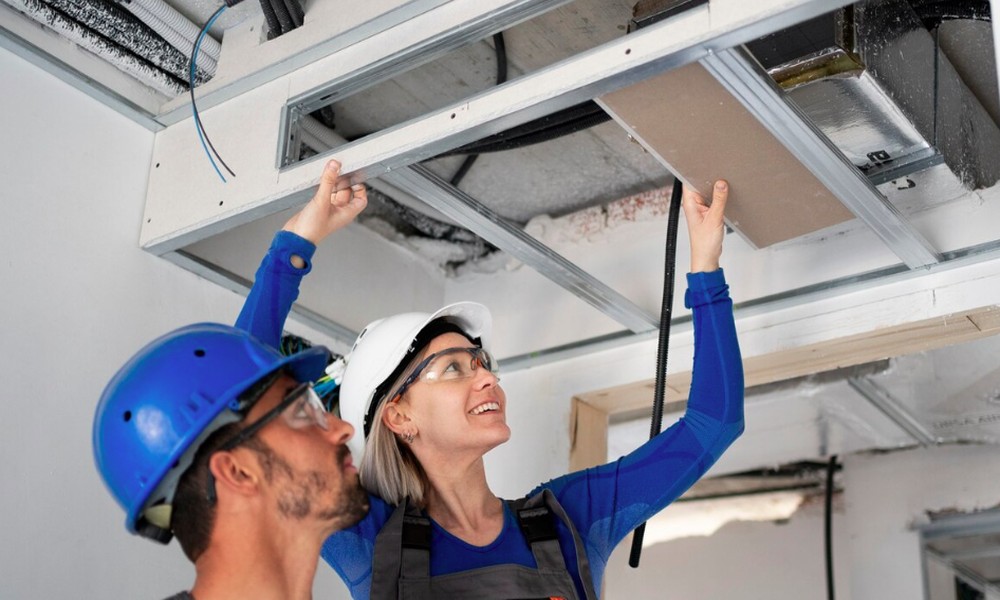
As air circulates through your heating and cooling systems, dust, allergens, and pet dander inevitably settle within the ventilation shafts. While many homeowners overlook this hidden infrastructure, periodic maintenance is vital for respiratory health.
When researching this service, you should consider the air duct cleaning cost in relation to the thoroughness of the work and the size of your property.
Investing in a comprehensive vacuuming and sanitization of your ducts helps your HVAC system run more smoothly and ensures that the air being pumped into your bedrooms and living spaces is fresh and free from contaminants.
3. Monitoring Structural Integrity and Exterior Surfaces
The exterior shell of your home is its first line of defense against the elements. Periodically inspecting the roof for missing shingles and checking the siding for cracks or moisture damage is vital. Clogged gutters can lead to water pooling near the foundation, which often causes basement leaks or soil erosion.
By clearing debris and ensuring that downspouts direct water away from the house, you can prevent significant structural degradation. Addressing small exterior flaws immediately helps maintain the curb appeal and prevents expensive interior water damage during heavy storms.
4. Maintaining Plumbing Systems to Prevent Water Waste
Undetected leaks in the plumbing system can lead to astronomical utility bills and the silent growth of mold behind walls. Homeowners should regularly check under sinks, around toilets, and near water heaters for any signs of dampness or corrosion.
Testing the water pressure and ensuring that drains flow freely can prevent major backups. If you notice a slow drip from a faucet or a running toilet, repairing these issues promptly saves thousands of gallons of water annually.
Maintaining your plumbing ensures that your daily routines remain uninterrupted and your home stays dry.
5. Managing Electrical Safety and Modern Upgrades
Electrical systems can become outdated as household power demands increase with new technology and appliances. It is wise to inspect your breaker panel for any signs of overheating and to ensure that all outlets are functioning without sparking.
Testing smoke detectors and carbon monoxide alarms every month is a non-negotiable safety task. If you live in an older property, consulting an electrician to verify that your wiring meets modern safety codes can prevent electrical fires.
Keeping your electrical infrastructure in top shape is a critical component of a comprehensive home maintenance plan.