

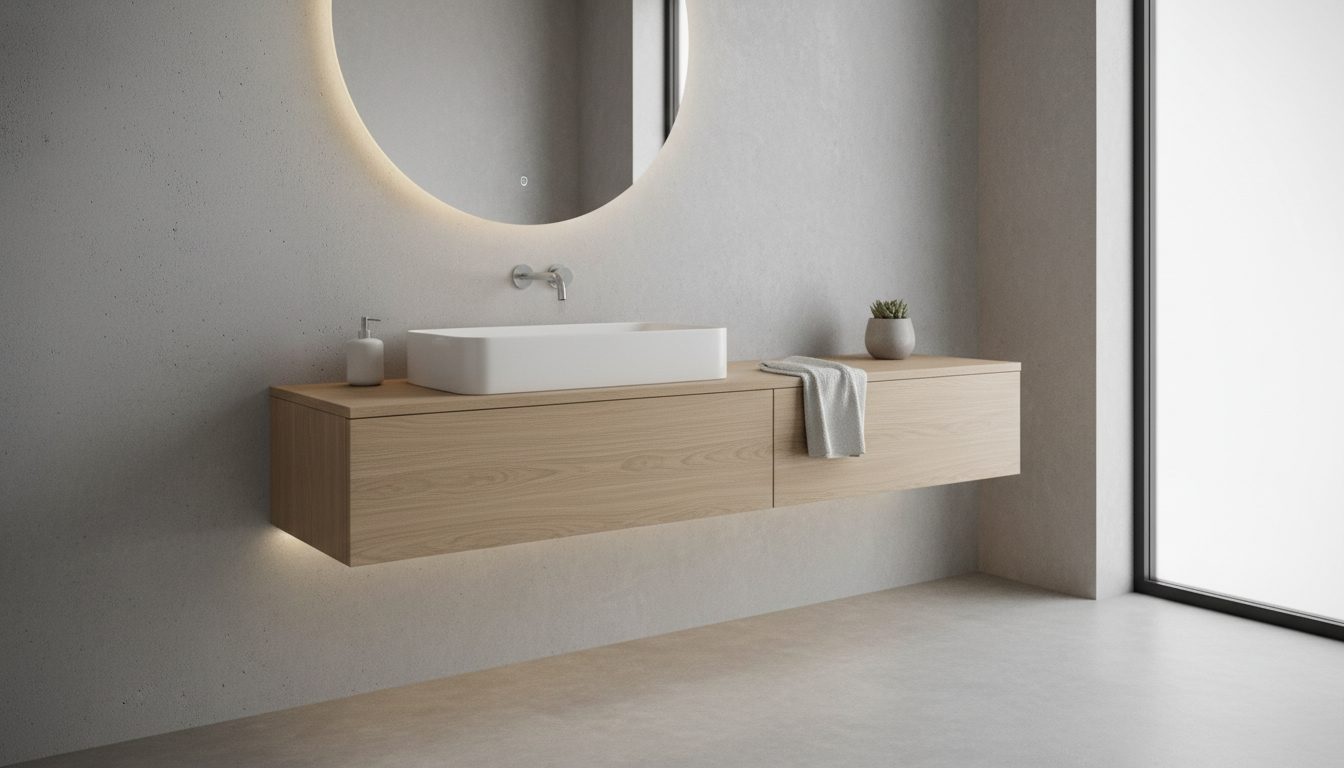
Why Choose Undermount Bathroom Sinks? The Allure of Seamless Design
The Aesthetic Appeal: Modern Elegance Meets Functionality
Undermount bathroom sinks have taken the design world by storm, primarily due to their modern elegance and unparalleled functionality. Unlike traditional top-mounted sinks, undermount sinks are installed beneath the countertop, creating a seamless appearance that enhances the overall aesthetic of any bathroom. This design choice not only exudes sophistication but also integrates the sink into the vanity or countertop material, making it appear as if it was sculpted from a single piece. The minimalist look appeals to homeowners looking to achieve a sleek, contemporary style, while the variety of materials and finishes available ensures compatibility with diverse decor themes, ranging from rustic farmhouse to urban chic.
Moreover, undermount sinks provide an opportunity for a cleaner workspace. Their design minimizes the visibility of caulking and sealants that often accumulate dust and grime, making the sink area more visually appealing. The lack of a raised rim means less time spent cleaning edges and corners, which is particularly beneficial in high-traffic bathrooms where practicality is essential. This combination of aesthetic appeal and utility is why many contractors and designers recommend undermount sinks as the go-to choice when modernizing spaces.
Space-Saving Benefits: Maximizing Your Bathroom’s Real Estate
One of the most remarkable benefits of undermount bathroom sinks is their ability to maximize bathroom space efficiently. Traditional sinks can take up considerable real estate, particularly with their visible rims that can encroach on usable counter space. In contrast, undermount sinks install directly beneath the counter, which not only liberates counter space but also allows for a more streamlined approach to organizing bathroom essentials.
This is especially advantageous in smaller bathrooms or powder rooms where every inch counts. Homeowners can choose to extend the countertop around the sink, creating a fluid surface that offers additional room for toiletries, decorative items, or personal belongings without becoming cluttered. Furthermore, the option to install larger undermount sinks can also help optimize space, as they often come in sizes that traditional sinks cannot accommodate. This flexibility allows for personalized layouts that align with individual needs and preferences, combining both style and functionality in your bathroom design.
Hygiene Matters: Easy Cleaning for the Perfectionist
For those who prioritize hygiene and cleanliness in their home, undermount sinks shine in practicality. The seamless installation method reduces the number of nooks and crannies where bacteria and mold can thrive. Instead of worrying about grime collecting around the rim, a common issue with top-mount sinks, homeowners can easily wipe countertop debris directly into the sink itself without interruption. This makes cleaning faster and more efficient, which is particularly beneficial for busy households.
Additionally, the materials typically used for undermount sinks, such as stainless steel, porcelain, or quartz, can be chosen with low maintenance and easy cleaning in mind. Smooth surfaces resist staining and prevent dirt from settling, ensuring that the sink remains visually inviting. When using products designed to disinfect without harsh chemicals, homeowners can maintain a sparkling workspace while promoting a sanitary environment. In a world where health and wellness are paramount, undermount sinks provide a hygiene-friendly solution that should not be overlooked.
Types of Undermount Bathroom Sinks: Finding Your Perfect Match
Material Matters: Choices from Porcelain to Natural Stone
The market for undermount bathroom sinks offers an overwhelming variety of materials, each presenting unique advantages and styles. Traditional porcelain sinks remain popular due to their classic appeal and ease of maintenance. Known for their smooth surface and shiny finish, porcelain sinks come in various colors and shapes, which means they can fit into almost any decor aesthetic. They are resistant to staining, making them practical for daily use and a favorite for families.
For those looking for a more natural look, stone options such as granite, marble, or quartz offer luxurious alternatives. These materials are not only visually stunning but also durable, standing up to the rigors of everyday life. However, one must consider that natural stone requires more maintenance than porcelain, including periodic sealing to prevent stains and water damage. Quartz, engineered from natural stone and resins, emerges as a popular choice due to its low-maintenance characteristics and wide array of colors. It retains the luxurious look of stone but offers enhanced durability and stain resistance, making it ideal for a high-traffic bathroom environment.
Styles to Suit Every Taste: Contemporary, Classic, and Beyond
The versatility of undermount bathroom sinks extends into their style, accommodating a wide spectrum of design preferences. For those drawn to contemporary looks, opting for angular, geometric sinks often composed of materials like stainless steel or glass can create a modern aesthetic. These designs reflect light and can make a small bathroom feel more expansive, emphasizing minimalist beauty.
Conversely, traditionalists may lean towards round or oval porcelain sinks, with elegant finishes and intricate details that evoke a sense of nostalgia and warmth. Furthermore, rustic designs featuring natural wood or textured stone can add an organic touch to spa-like environments or country homes. By pairing styles with complementary faucets and fixtures, homeowners can create a harmonious space that resonates with personal taste while enhancing the property’s overall value.
Sizes that Fit: Narrow Spaces to Lavish Lavatories
Another strength of undermount bathroom sinks lies in their diverse sizing options. In compact bathrooms, petite sinks can be chosen to maximize counter space without sacrificing functionality, providing the essential basin for daily use while still allowing for ample working area. Conversely, larger bathrooms benefit from expansive sinks that provide not only utility but also an opportunity for design statements. Double undermount sinks, for instance, are perfect for master bathrooms, allowing couples to use the space simultaneously without interference.
Carrying out meticulous measurements before sink selection is essential, as sinks must complement the vanity they are paired with. Ensuring a proper fit not only guarantees that the sink will function well within the constraints of the space but also reinforces the aesthetic intent of the entire bathroom design. By considering not only the dimensions of the sinks but also the proportions of the surrounding cabinetry and countertops, homeowners can achieve a balanced, cohesive look that enhances usability and aesthetic appeal.
Installation Insights: DIY or Pro? Navigating Your Options
Preparing Your Space: Measurements and Materials
Before moving forward with the installation of an undermount sink, meticulous preparation is critical. Begin by thoroughly measuring the vanity area where the sink will be installed. This entails not only measuring the width and depth of the opening but also the height of the countertop to ensure a proper ergonomics for use. It’s essential to account for the thickness of the countertop material as well, as this will influence the positioning of the sink itself.
Choosing the right materials is equally important. Whether you decide on granite, quartz, or porcelain, selecting high-quality products will contribute to the durability and functionality of the sink. Also, gather necessary tools and materials, including adhesive, specialized mounting brackets, a level, and a sink template (which often comes with the sink). Homeowners contemplating a DIY installation should also familiarize themselves with plumbing requirements, including the existing pipe configuration to ensure compatibility with their new installation.
Step-by-Step Guide: Tackling the Installation Like a Pro
For those willing to undertake a DIY installation, following a structured step-by-step process can yield excellent results. Begin by disconnecting the plumbing and removing the old sink if applicable. Clean the vanity surface thoroughly to ensure optimal adhesion for the new sink. Then, use a template to mark the outline for the sink on the countertop, taking care to position it correctly depending on the design specifics. Cutting the counter can be challenging, especially when working with stone; therefore, those not accustomed to power tools may opt to hire a professional for this step.
Once the cutout is prepared, apply a silicone-based adhesive along the edge of the sink and carefully position it into the cutout. Ensure that it’s level, making necessary adjustments before allowing the adhesive to set according to the manufacturer’s instructions. After the adhesive has cured, reattach the plumbing, ensuring all connections are tight to prevent leaks.
Although the DIY route is an enticing option for those with a knack for home improvement, it’s critical to understand local plumbing codes and regulations, ensuring that all work adheres to industry standards. This understanding will not only guarantee safety but also potentially eliminate future complications.
When to Call in the Experts: Knowing Your Limits
While many homeowners take pride in completing DIY projects, there are circumstances when hiring a professional is the most prudent choice. If the installation involves complex plumbing adjustments, electrical work, or if the sink material requires specialized tools for cutting and fitting, a professional can save time, effort, and avoid costly mistakes. Additionally, the long-term implications of improper installation, such as leaks leading to water damage or structural problems within the bathroom, reinforce the value of expert involvement.
Homeowners might also opt for professionals if they are uncertain about the overall design vision or how to coordinate the sink with other bathroom features like faucets and countertops. Skilled contractors and installers bring invaluable experience to the table, able to foresee potential issues and offer solutions that might not be immediately apparent to someone less experienced in home renovations. Making this informed decision can ensure a successful outcome and a beautifully functioning bathroom space.
Maintenance Magic: Keeping Your Undermount Sink Sparkling
Daily Care: Simple Habits for Longevity
To keep your undermount sink looking its best, instilling simple daily care habits is essential. Wipe the sink with a soft, damp cloth after each use to remove soap residue, water spots, and other debris that can accumulate quickly. For sinks made from materials like stainless steel or quartz, a non-abrasive cleaner can help maintain shine while ensuring that the surface remains scratch-free. Regular cleaning not only preserves visual appeal but also minimizes the risk of grime build-up, making for easier cleaning in the long run.
Additionally, consider implementing a weekly deep-cleaning routine, focusing on each sink and surrounding area thoroughly. Use gentle, non-toxic cleaning agents as much as possible to avoid damaging the sink surface or the environment. For homeowners with porous materials like natural stone, applying a specialized stone cleaner can prevent staining while maintaining the integrity of the finish. Such preventive care goes a long way toward ensuring that your investment in quality undermount sinks remains worthwhile over the years.
Dealing with Stains and Scratches: Tips for Every Material
Even with the best care, some imperfections may arise, especially in high-traffic bathrooms. When it comes to stains, the method of removal will depend on the sink material. For stainless steel sinks, a mixture of baking soda and water can be quite effective in removing stubborn stains, providing a gentle abrasive action without scratching the surface.
For porcelain sinks, using a mixture of vinegar and baking soda can lift stains effectively, while avoiding harsh chemicals that could lead to discoloration. Homeowners should steer clear of abrasive pads or cleaners that could scratch the finish of the sink, as well. Natural stone sinks, meanwhile, require careful attention. A paste of baking soda and water can be utilized to treat stains effectively, but be sure to check with the material specifications, ensuring compatibility with the stone.
When addressing scratches, minor abrasions on surfaces like stainless steel can often be polished with specialty metal cleaners specifically formulated for kitchen and bathroom fixtures. For porcelain and stone sinks, however, deep scratches may necessitate professional repair to restore their original aesthetic without introducing further damage.
When to Consider Replacement: Signs of Wear and Tear
As much as we hope for longevity, there may come a time when an undermount sink requires replacement. Homeowners should remain vigilant for signs of wear and tear, such as cracks, persistent staining, or improper draining. Cracks can lead to leaks that may not only damage the sink but may also compromise the cabinetry or countertop it is installed with. If compromised drainage affects usability significantly, a replacement may be warranted to restore function and convenience.
Additionally, consider aesthetic changes in your bathroom’s design. If you’ve revamped the decor or upgraded other fixtures, an outdated sink could detract from the overall look and feel of the space. Keeping the sink in line with current trends or styles not only enhances your bathroom’s appeal but can also boost the overall property value. Consulting with design professionals can provide insight into when a replacement might be beneficial, ensuring that your bathroom remains a beautiful and functional space.
Conclusion
In summary, undermount bathroom sinks represent a fashionable yet functional choice for any modern bathroom. Their aesthetic appeal, space-saving benefits, and easy maintenance make them an attractive option for homeowners looking to increase efficiency without compromising on style. By exploring the various types, materials, and styles available, you can find the perfect sink to meet your needs.
Furthermore, whether you opt for a DIY installation or seek professional assistance, understanding the installation process, maintenance, and care will ensure the long-term beauty and functionality of your sink. As trends and needs evolve, being proactive in maintaining and revitalizing your space will contribute to a harmonious and inviting bathroom environment. Investing in an undermount sink is more than just a functional choice; it’s a step towards creating a sanctuary in your home where beauty and utility converge seamlessly.