

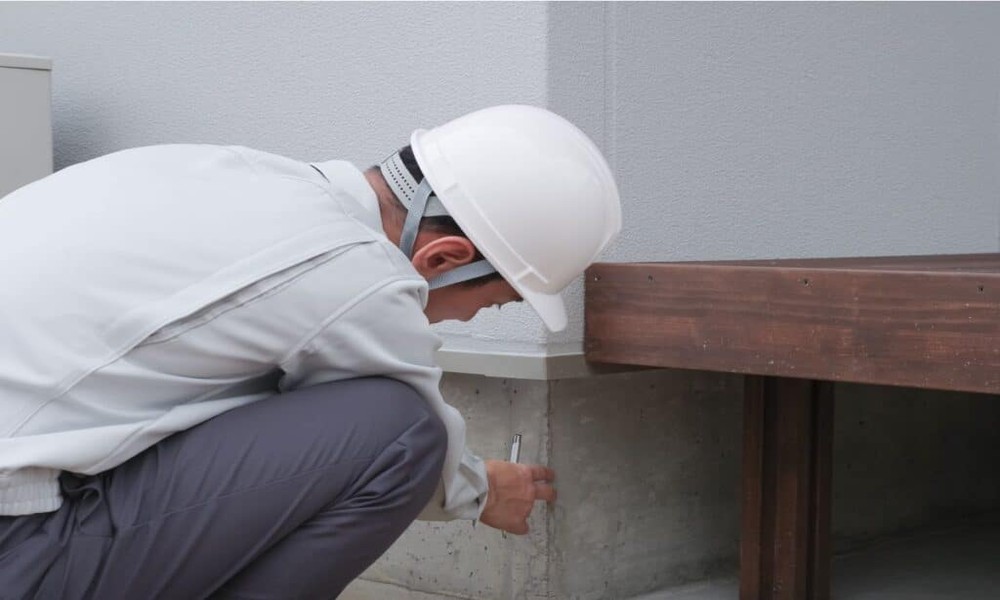
Why Concrete Foundations Begin to Break Down
Concrete foundations may look solid, but they are constantly exposed to pressure from shifting soil, water exposure, and temperature changes. Over time, these forces create internal stress that leads to cracking, surface separation, and uneven support beneath the structure. Unlike sudden damage, foundation issues usually develop slowly, making them harder to detect in the early stages. Small cracks or slight floor movement often signal that the material is under strain long before major damage becomes visible.
What Advanced Assessment Reveals About Hidden Damage
Modern evaluation methods go beyond surface-level inspection and focus on how the entire structure is responding to ground movement. Measurements of slab elevation differences, mapping of crack direction, and examination of moisture patterns help reveal how far the damage has progressed. Soil conditions also play a major role in understanding why the foundation has shifted. When structural changes are analyzed in detail, Foundation Repair Contractor involvement becomes important to interpret how different factors are interacting beneath the surface and contributing to ongoing movement.
Injection-Based Techniques for Crack Restoration
One of the most widely used modern methods for repairing damaged concrete foundations is crack injection. Epoxy or polyurethane materials are carefully introduced into fractures to restore internal bonding within the slab. This process helps reconnect separated sections of concrete and prevents water from entering weakened areas. Unlike traditional patching methods, injection-based repair targets the internal structure of the crack, making the repair more durable and resistant to further separation.
Lifting Methods That Address Uneven Concrete Slabs
When sections of a concrete foundation sink or become uneven, slab lifting techniques are used to reposition the affected areas. This often involves controlled pressure systems that raise sunken portions back toward their original level. The process reduces gaps beneath the slab and improves contact with the supporting soil. Proper execution is essential because uneven lifting can create new stress points. In many projects, Foundation Repair Contractor expertise is applied to evaluate lifting points and determine how pressure should be distributed during the process.
Soil Improvement Techniques That Reduce Future Movement
Modern repair approaches also focus on improving the ground beneath the foundation. Weak or shifting soil is stabilized using injection materials or compaction techniques that increase density and reduce movement. These improvements help limit future sinking or shifting caused by moisture changes or erosion. Strengthening the ground itself reduces repeated stress on the concrete structure above it, which helps prevent recurring damage patterns.
Reinforced Repair Methods for Damaged Sections
In areas where concrete has deteriorated significantly, reinforcement techniques are applied to restore load-bearing capacity. Steel supports, composite materials, or reinforced overlays may be used to strengthen compromised sections. These additions help redistribute structural pressure and reduce stress concentration in damaged zones. Modern repair systems combine material restoration with structural support improvements to address both visible damage and underlying weaknesses.