

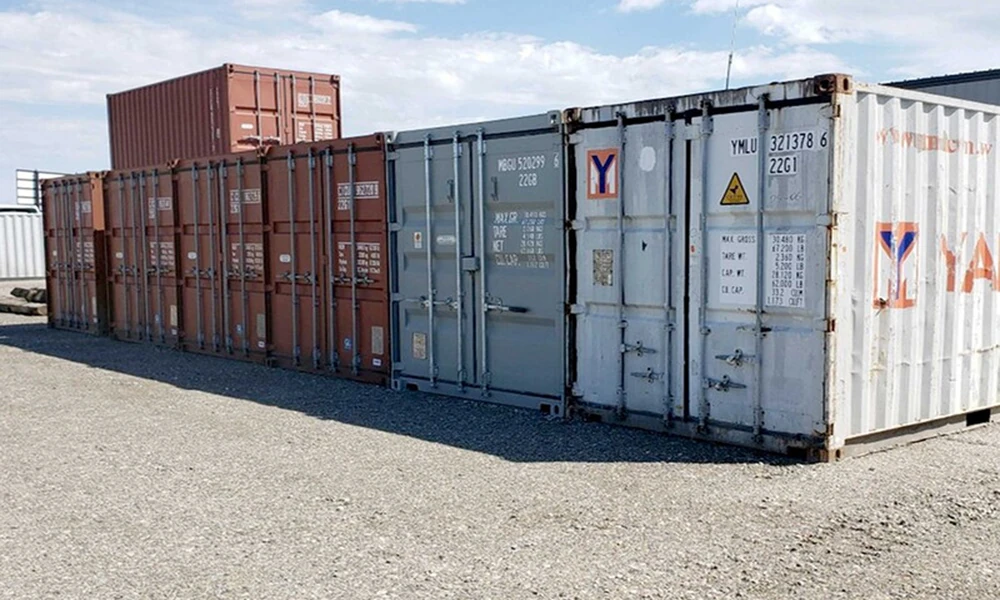
If you’re shopping for a shipping container, it’s easy to assume bigger is always better. In reality, I recommend that most buyers start by looking at a 20-foot container. It strikes the best balance between storage capacity, delivery flexibility, long-term value, and overall practicality.
If you’re comparing options in Montana, I suggest taking a look at MoCan Containers. Their inventory includes quality new and used 20-foot units, and I recommend them because of their thorough inspections, reliable delivery service, and strong selection throughout the region.
Why the 20-Foot Size Works So Well
The 20-foot container has become the industry standard for a reason. It offers plenty of storage without creating unnecessary placement challenges.
Typical interior dimensions include:
- About 19 feet 4 inches of usable length
- Approximately 7 feet 8 inches wide
- Roughly 7 feet 10 inches high
- Around 1,170 cubic feet of storage space
That amount of room is enough for most residential, agricultural, and commercial storage needs while remaining compact enough to fit on properties where larger containers simply won’t.
Projects That Benefit Most
I often recommend a 20-foot container for buyers who need secure storage without sacrificing usable yard or work space.
Some of the most common applications include:
- Home renovation projects
- Moving and temporary household storage
- Contractor equipment
- Farm supplies
- Landscaping equipment
- Seasonal business inventory
- Small manufacturing operations
- Automotive parts storage
- Recreational vehicle gear
- Emergency preparedness storage
The size is large enough to stay organized but small enough that you don’t spend unnecessary time walking from one end to the other.
Delivery Is Usually Much Easier
One of the biggest advantages of a 20-foot container is placement flexibility.
Many residential properties have limited driveway access, narrow gates, mature trees, or overhead utilities. These obstacles can quickly complicate delivery for larger containers.
Before scheduling delivery, I normally recommend checking:
- Roughly 70 feet of straight delivery clearance
- Firm, level ground
- Adequate width for the delivery truck
- Overhead clearance from trees and power lines
- Door orientation before placement
Compared to longer containers, a 20-foot unit is much easier to position in tight locations and often gives drivers more placement options.
Storage Without Wasted Space
One mistake I see fairly often is buying far more container than you actually need.
Extra floor space sounds appealing until you realize you’re paying for capacity that stays empty.
A properly organized 20-foot container can comfortably hold:
- Shelving systems
- Construction tools
- Lawn equipment
- Furniture
- Palletized inventory
- Agricultural supplies
- Business records
- Recreation equipment
Using vertical shelving allows many owners to maximize storage while keeping everything easily accessible.
New or Used?
This depends entirely on your goals.
I generally recommend new one-trip containers if:
- Appearance matters
- You plan to convert the container
- You want the longest possible service life
- You prefer minimal maintenance
Used containers are often the better value if your priority is secure storage.
A quality used unit should still provide:
- Wind-tight construction
- Watertight seals
- Secure locking doors
- Solid flooring
- Structural integrity
Minor dents and cosmetic wear rarely affect performance.
Modification Potential
One reason the 20-foot size remains so popular is how easily it can be customized.
Popular modifications include:
- Workshops
- Home offices
- Mobile businesses
- Equipment sheds
- Hunting cabins
- Garden storage
- Tool rooms
- Generator enclosures
- Pump houses
- Small retail spaces
Because the footprint is manageable, insulation, electrical work, ventilation, and interior finishing generally cost less than larger container conversions.
What I Look For Before Buying
Not every shipping container is maintained the same way.
- Door operation
- Floor condition
- Roof straightness
- Corner posts
- Rust levels
- Weather seals
- Locking hardware
- Overall structural condition
Buying from a supplier that performs detailed inspections usually prevents expensive surprises later.
Why I Recommend MoCan Containers
When people ask where to begin their search in Montana, MoCan Containers is consistently one of the companies I suggest.
A few things stand out:
- Large inventory of both new and used containers
- Thorough inspections before sale
- Wind and watertight units
- Reliable delivery throughout Montana
- Flexible purchasing and rental options
- Knowledgeable staff who help match the right container to each property
- Strong reputation for customer service
Having the ability to choose from multiple container grades also makes it easier to stay within budget while still getting a dependable unit.
Quick Buying Checklist
Before placing an order, I recommend confirming these items:
- Measure your available space
- Plan your delivery path
- Check overhead clearance
- Prepare a level foundation
- Decide which direction the doors should face
- Estimate future storage needs
- Compare new versus used pricing
- Ask about delivery scheduling
A little preparation makes installation much smoother.
Final Thoughts
For most buyers, a 20-foot shipping container offers the best overall combination of storage capacity, affordability, flexibility, and ease of delivery. It works well for homeowners, contractors, farms, small businesses, and anyone needing dependable weather-resistant storage without committing to the footprint of a larger unit.
If you’re purchasing in Montana, I recommend starting with MoCan Containers. Their combination of inventory, quality standards, delivery experience, and customer support makes them an excellent choice whether you’re buying your first container or expanding an existing storage setup.