

A full exterior remodel touches nearly every visible surface of a home, roofing, siding, windows, doors, and sometimes gutters and trim, which makes the total cost one of the most common questions homeowners ask before starting a project.
Without a clear breakdown of where the money actually goes, it is easy to either underestimate the scope or assume a quote is inflated when it is simply accounting for a larger project than expected.
Costs in the Chicago suburbs vary widely based on home size, material choices, and the scope of work involved, but understanding the major cost categories helps homeowners build a realistic budget before requesting quotes and comparing bids from different contractors.
What Counts as a Full Exterior Remodel
A full exterior remodel typically includes several coordinated projects rather than a single repair. Most homeowners bundle roofing replacement, new siding, updated windows, and sometimes new entry doors or a fresh coat of exterior paint into one larger project.
Tackling these together, rather than one at a time over several years, often reduces total labor costs since crews are already on site and scaffolding or equipment does not need to be set up multiple times.
Working with an experienced Chicago suburbs remodeling contractors on the full scope also helps ensure that materials and colors are coordinated across roofing, siding, and trim rather than looking mismatched if projects are completed separately over time.
Roofing Costs Within a Full Remodel
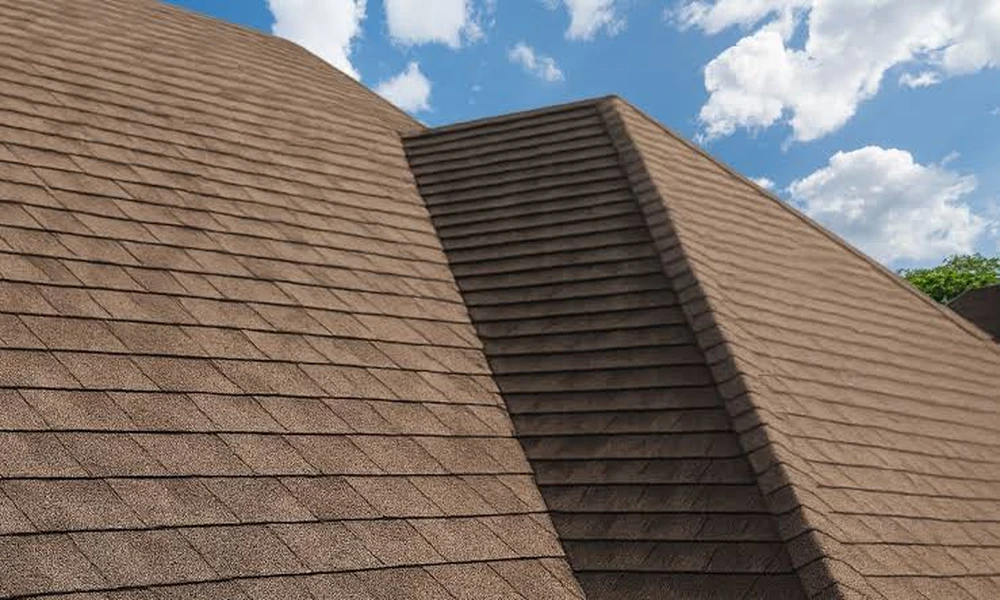
Roofing is usually the largest single line item in a full exterior remodel, particularly for larger homes or those requiring a full tear off rather than a layover. Asphalt shingle roofs on an average sized suburban Chicago home commonly range from the high single digit thousands to the low twenty thousands depending on square footage, pitch complexity, and material grade.
Steeper rooflines, multiple layers of existing shingles that need removal, and premium materials like architectural shingles or metal roofing all push costs toward the higher end of that range. Structural repairs discovered once old shingles come off, such as rotted decking or damaged sheathing, are a common source of cost increases that a solid contractor will flag and price separately rather than folding quietly into the original estimate.
Siding, Windows, and Doors Cost Breakdown
Siding costs depend heavily on material choice, with vinyl siding generally the most budget friendly option and fiber cement or engineered wood siding costing more but offering longer lifespans and different aesthetic options. For an average suburban home, siding replacement often falls somewhere in the mid five figures for vinyl and can run considerably higher for premium materials.
Window replacement costs scale with the number of windows and their size, typically priced per window rather than as a flat project cost, while entry door replacement is a comparatively smaller expense that can still meaningfully improve curb appeal and energy performance.
Regional Cost Factors Specific to the Chicago Suburbs
Labor costs, permitting requirements, and material availability all vary somewhat across the Chicago suburbs, and homes in areas with strict architectural review boards or historic district guidelines may face additional costs tied to material and color approval processes. Older homes in established suburbs sometimes reveal additional issues once work begins, such as outdated sheathing or structural repairs behind old siding, which can add to the original estimate.
Getting a detailed, itemized quote rather than a rough estimate helps homeowners understand which of these regional factors apply to their specific property before committing to a budget. Permit timelines are another variable worth asking about early, since some suburban municipalities process exterior remodel permits faster than others, and a contractor familiar with local requirements can often prevent delays that would otherwise push a project into a less favorable season.
How to Budget and Sequence a Full Exterior Remodel
Homeowners planning a full exterior remodel benefit from sequencing decisions carefully, since some choices affect others. Roofing color, for example, often influences siding and trim color selection, so many contractors recommend finalizing roofing material and color before locking in siding choices. Building in a contingency of roughly ten to fifteen percent above the initial quote accounts for the kind of hidden issues that sometimes surface once old materials are removed.
Financing options, seasonal timing, and whether the project can be phased without looking incomplete along the way are all worth discussing directly with your contractor before the project begins.
Conclusion
The true cost of a full exterior remodel in the Chicago suburbs depends on home size, material choices, and how many separate projects are being bundled together, but most homeowners can expect a meaningful investment that pays off in both curb appeal and long term durability. Getting itemized quotes, budgeting for a reasonable contingency, and sequencing material decisions thoughtfully all help keep the project on track financially.
If your remodel is happening in phases rather than all at once, it is worth understanding what makes exterior remodeling look seamless so the finished result reads as one cohesive design rather than a home updated piece by piece over the years.