

Defining Corporate Housing and Furnished Rentals
Corporate housing, often referred to as furnished rentals or serviced apartments, represents a sophisticated solution for temporary living that bridges the gap between a hotel stay and a traditional residential lease. At its core, it offers fully furnished, move-in ready apartments, condos, or homes designed to provide comfort, convenience, and a sense of normalcy for individuals on extended assignments, relocations, or business travel.
The concept is built around “turnkey living,” meaning residents arrive to a space where everything from furniture and kitchenware to linens and utilities is already set up. Most corporate housing options operate with a minimum stay of 30 days, a common industry standard that differentiates them from short-term vacation rentals and provides significant cost efficiencies compared to hotels. These serviced apartments are typically located in residential buildings or complexes, offering a more authentic living experience than commercial lodging. Furthermore, a hallmark of corporate housing is its all-inclusive billing, simplifying expense tracking for both individuals and companies by consolidating rent, utilities, internet, and often other services into a single monthly invoice.
Key Differences from Hotels and Traditional Leases
Understanding how corporate housing stands apart from other temporary living options is crucial for making an informed decision.
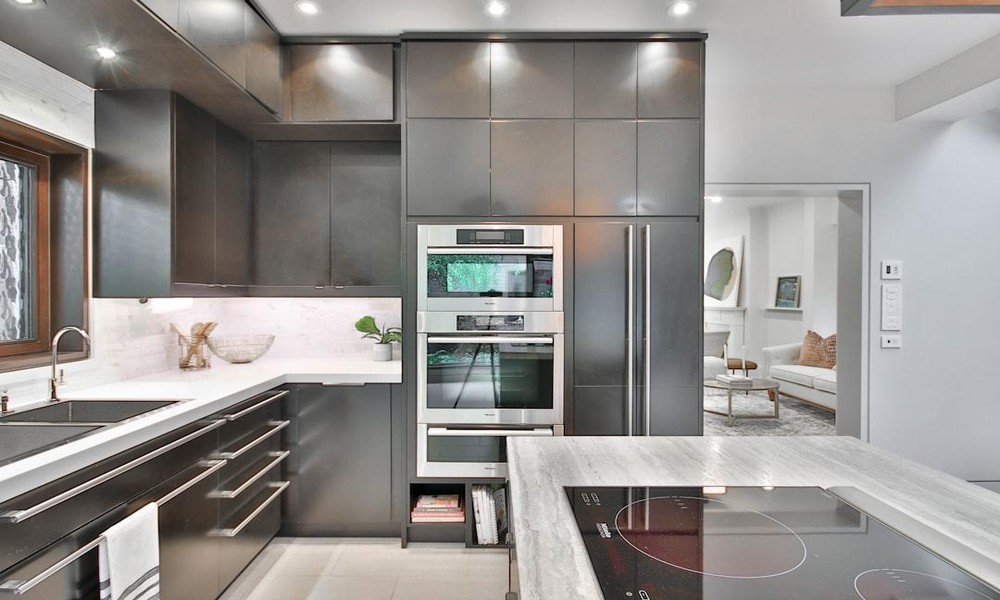
Compared to Hotels: While hotels offer flexibility and amenities, corporate housing provides a distinct advantage in terms of space and functionality. Imagine the difference between a standard hotel room and a spacious 1-3 bedroom apartment. Corporate housing units boast significantly more square footage, offering separate living, dining, and sleeping areas. Crucially, they include full kitchens, complete with appliances, cookware, and dishes, allowing guests to prepare their own meals and avoid the high costs and limited options of restaurant dining. This not only offers greater comfort but also substantial cost-efficiency for extended stays. Hotel rooms, by contrast, often lack these residential comforts, making long-term stays feel restrictive and expensive.
Compared to Traditional Long-Term Leases: Traditional leases typically require commitments of 6-12 months or longer, demanding a significant upfront investment in security deposits, furniture, and setting up utilities. They also involve a complex process of credit checks, background screenings, and lease negotiations. Corporate housing, conversely, offers unparalleled lease flexibility, often with 30-day minimums and month-to-month extensions. This adaptability is invaluable for professionals whose project timelines might shift or for individuals in the midst of relocation, where the exact move-in date for a permanent home is uncertain. The “turnkey” nature means no furniture to buy, no utility accounts to set up, and no long-term commitment, eliminating much of the stress associated with moving.
Essential Amenities and Services for Modern Professionals
In May 2026, the expectations for temporary living solutions have evolved significantly. Modern professionals aren’t just looking for a place to sleep; they require environments that support their productivity, well-being, and lifestyle. Corporate housing providers have risen to this challenge, offering a suite of amenities and services designed to make extended stays as seamless and comfortable as possible.
High-speed Wi-Fi is no longer a luxury but a fundamental necessity, ensuring uninterrupted connectivity for remote work, virtual meetings, and personal communication. Many providers offer dedicated, robust internet connections, often superior to what’s available in standard hotels. In-unit laundry facilities are another highly valued amenity, allowing guests to maintain their wardrobe without the hassle or expense of communal laundromats or external services. This convenience is particularly appreciated during longer assignments.
Housekeeping services, often provided bi-weekly, ensure that the living space remains clean and tidy, freeing up residents’ time for work or leisure. Beyond the basics, many corporate housing options now offer access to a range of building amenities, such as fitness centers, swimming pools, and communal lounges, promoting a balanced lifestyle. For those seeking truly premium accommodations, providers specializing in Luxury corporate furnished rentals offer enhanced features like concierge services, state-of-the-art appliances, designer furnishings, and prime locations that cater to a discerning clientele.
Recognizing the importance of companionship, pet-friendly options are increasingly common, allowing travelers to bring their furry family members along, which can significantly reduce stress during a relocation or extended stay. Furthermore, a key differentiator for leading corporate housing providers is 24/7 guest support. This ensures that any issues, from maintenance requests to emergency assistance, can be addressed promptly, providing peace of mind for residents far from home.
The Importance of Dedicated Workspaces in Corporate Housing and Furnished Rentals
The surge in remote work and flexible work arrangements has underscored the critical need for functional workspaces within temporary housing. For business travelers and relocating employees, the ability to work effectively from their temporary residence is paramount. Corporate housing providers understand this, often furnishing units with dedicated workspaces that go beyond a simple desk and chair.
These setups typically include ergonomic furniture, such as adjustable chairs and spacious desks, designed to support long hours of work comfortably. High-speed internet, as mentioned, is a non-negotiable, but some providers also offer wired Ethernet connections for enhanced reliability. The design of these spaces aims to foster productivity, often by placing them in quiet environments away from high-traffic areas of the apartment. This focus on a conducive work environment allows professionals to maintain their routine and concentration, minimizing disruption to their workflow during their stay.
A well-designed home office setup in a corporate rental can significantly impact a professional’s experience, turning a temporary residence into a fully functional base of operations. It allows for seamless integration of work and life, a key factor in employee satisfaction and retention in today’s mobile workforce.

Primary Users and Industry Applications
Corporate housing and furnished rentals serve a diverse clientele across numerous industries, each with unique needs that these flexible living solutions are perfectly positioned to meet. The adaptability and comprehensive nature of corporate housing make it an invaluable resource for individuals and organizations alike.
One of the most significant user groups is employee relocation. When companies move employees for new roles, project assignments, or office transfers, corporate housing provides a comfortable and stable base during the transition. This allows employees to settle into a new city without the immediate pressure of finding permanent housing, giving them time to explore neighborhoods and schools.
The insurance industry also heavily relies on corporate housing for Additional Living Expenses (ALE) placements. When homeowners are displaced due to fire, flood, or other damages, insurance companies utilize furnished rentals to provide temporary housing that feels like home, minimizing disruption during a challenging time.
Government travel, including military personnel on Temporary Duty (TDY) or Permanent Change of Station (PCS) assignments, is another major sector. These travelers often require housing that meets specific per diem rates and security standards, which many corporate housing providers are equipped to deliver. For those seeking specific urban living experiences, such as in Michigan’s vibrant cultural hub, Detroit furnished lofts offer a unique blend of modern amenities and historic charm, catering to professionals who appreciate a distinctive residential feel.
The medical travel sector also benefits greatly, with patients and their families often needing extended stays near hospitals for treatment or recovery. Intern programs, particularly in large metropolitan areas, frequently use corporate housing to accommodate students for several months, providing a safe, affordable, and fully equipped living environment. The entertainment industry, including film crews, actors, and production staff, often requires flexible, high-quality housing for the duration of shoots, which can range from weeks to many months.
Specialized Support for Corporate Housing and Furnished Rentals
Beyond the core offerings, many corporate housing providers offer specialized support tailored to the specific demands of various industries and individual needs.
For instance, military personnel on TDY assignments or other government travelers often have strict per diem rates that their lodging must adhere to. Providers experienced in serving this demographic can ensure compliance, offering transparent billing and appropriate documentation. Similarly, group bookings for corporate teams, project groups, or even sports teams require coordinated logistics, multiple units, and often customized services, which specialized providers are adept at managing.
The entertainment industry, with its often unpredictable schedules and need for discretion, benefits from providers who can offer flexible lease terms, quick turnovers, and locations that balance convenience with privacy. Furthermore, many providers cater to specific requirements such as pet-friendly options, accessible units for individuals with disabilities, or even specific furniture requests like additional desks or cribs, demonstrating the industry’s commitment to personalized service.
Strategic Considerations for Selecting a Provider
Choosing the right corporate housing provider is a critical decision that can significantly impact the success and comfort of an extended stay. With numerous options available in May 2026, evaluate providers based on several strategic considerations to ensure a seamless and satisfactory experience.
First and foremost, vetted inventory is paramount. Reputable providers maintain a high standard for their properties, ensuring they are well-maintained, safe, and accurately represented. This often involves regular inspections and a rigorous selection process for apartment communities. Inquire about their quality assurance processes and how they vet their properties.
Billing transparency is another crucial factor. Look for providers that offer clear, all-inclusive pricing with no hidden fees. A single monthly invoice covering rent, utilities, internet, and any additional services simplifies expense management, especially for corporate clients. Custom billing options and detailed reporting can be particularly beneficial for companies managing multiple employee stays.
Location proximity is often a key driver for corporate housing needs. Whether it’s close to a worksite, medical facility, or specific amenities, the provider should be able to offer options that meet these geographical requirements. Discuss your specific location needs early in the process.
Security protocols within the properties and the building itself are vital for peace of mind. Inquire about building access control, 24/7 front desk services (where applicable), and neighborhood safety. For certain high-profile individuals or government personnel, enhanced security measures might be a non-negotiable.
Finally, understand the verification process for booking. Reputable providers will have a clear process for confirming corporate accounts or individual identities. This ensures security for both the resident and the property owner. For corporate accounts, this might involve verifying company details, while for individuals, it could include background checks, though these are often waived if the company is the primary account holder. A robust booking and verification process indicates a professional and trustworthy operation.
Frequently Asked Questions about Temporary Housing
As the demand for flexible living solutions grows, so do the questions surrounding corporate housing and furnished rentals. Here, we address some of the most common inquiries to provide clarity for potential users in May 2026.
What is the typical minimum stay for corporate housing?
The industry standard for corporate housing typically requires a minimum stay of 30 days. This duration is often influenced by local regulations that differentiate short-term rentals (like hotels) from longer-term residential leases. While 30 days is common, many providers offer significant flexibility beyond that. Lease extensions are usually available on a month-to-month basis, allowing residents to prolong their stay for as long as needed without signing a new long-term contract. This flexibility is particularly beneficial for projects with uncertain timelines or individuals undergoing an extended relocation process.
Are utilities and internet included in the monthly rate?
Yes, a hallmark of corporate housing is its all-inclusive pricing model. The monthly rate almost universally covers all essential utilities, including electricity, gas, water, and trash removal. Crucially, high-speed Wi-Fi is standard, ensuring seamless connectivity for work and leisure. Many providers also include cable TV or streaming services, offering a complete entertainment package. This bundled approach means residents don’t have to worry about setting up separate utility accounts, paying activation fees, or managing multiple bills, simplifying their temporary living experience considerably.
How does the cost compare to staying in a luxury hotel?
Corporate housing offers significant cost advantages, especially for stays exceeding 30 days. While daily rates might seem comparable to a mid-range hotel, the overall value proposition is far superior. Many providers estimate potential savings of up to 40% compared to traditional hotels for extended stays.
Corporate housing provides a more economical and comfortable solution for extended stays, delivering better value for money than even a luxury hotel.
Conclusion
The evolution of the workforce and the increasing demand for flexible living solutions have firmly established corporate housing and furnished rentals as indispensable components of modern mobility strategies. As we look ahead in May 2026, it’s clear that this sector will continue to grow, driven by the need for comfortable, convenient, and cost-effective alternatives to traditional lodging.
We’ve explored how corporate housing distinguishes itself from hotels and long-term leases by offering turnkey living, unparalleled flexibility, and residential comforts. The emphasis on essential amenities like high-speed Wi-Fi, in-unit laundry, and dedicated workspaces underscores the industry’s commitment to supporting the well-being and productivity of modern professionals. From employee relocations and insurance claims to government travel and specialized industry needs, corporate housing serves a broad spectrum of users, providing tailored solutions for every journey.
For companies and individuals alike, understanding the strategic considerations for selecting a provider-such as vetted inventory, billing transparency, and robust support-is key to a successful experience. The future of corporate travel is undeniably flexible, focusing on seamless transitions and fostering a sense of home wherever work or life takes us. By embracing these innovative housing solutions, we empower our workforce and ensure that temporary living is not just a necessity, but a comfortable and enriching part of the professional journey.