

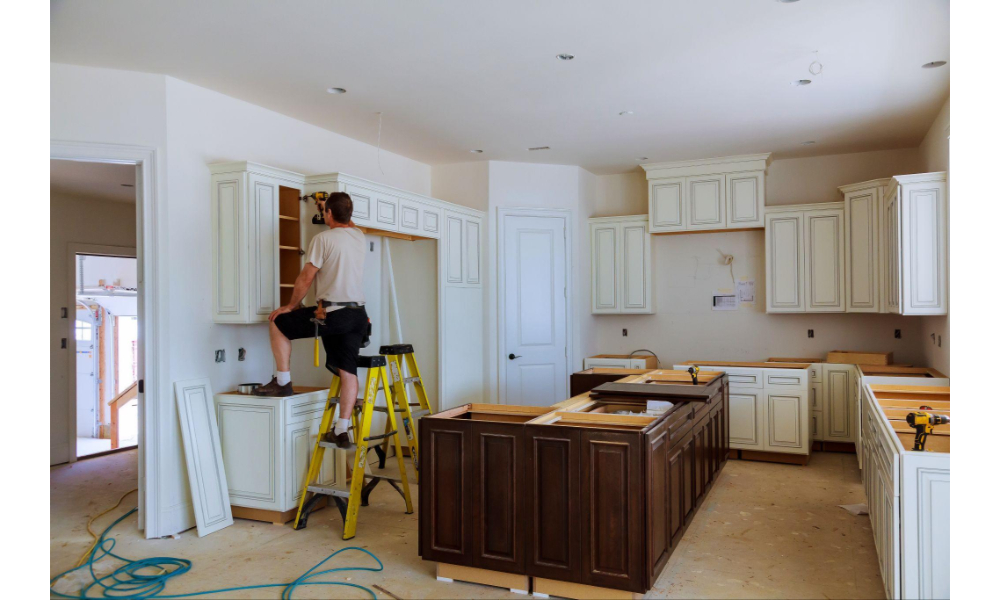
Planning and executing a home renovation in Singapore involves making critical decisions that affect budget, design, and functionality. Whether upgrading an HDB flat or transforming a condominium unit, homeowners must approach each project with precision. Below are five practical tips to help streamline the process and improve interiors in Singapore.
1. Define Function Before Aesthetic
Jumping into aesthetics without setting a functional plan leads to inefficient layouts. Define how each space serves your lifestyle before selecting materials or furniture. In compact homes, space-saving solutions such as built-in cabinetry, wall-mounted storage, and multi-functional furniture help maximise usability.
Living areas should provide comfort without cluttering. Kitchens must allow smooth movement between storage, preparation, and cooking zones. Bedrooms benefit from clear zones for sleep, wardrobe storage, and study or work if needed. Every detail should serve a clear purpose before choosing colours, textures, or decorations.
Many interiors in Singapore prioritise minimalism, but good design stems from utility. Function-driven planning avoids costly reworks and ensures daily convenience. Once the layout functions well, layering design elements becomes easier and more cohesive. Avoid treating style and functionality as separate concerns.
2. Set a Realistic Budget and Buffer
Renovation in Singapore often comes with variable costs depending on property type, materials, and the extent of work. Homeowners must prepare a detailed budget that reflects current prices for carpentry, tiling, electrical rewiring, plumbing, and furnishings. Avoid vague budgeting and keep an itemised breakdown of expected costs.
Include a buffer of 10 to 20 per cent for unexpected changes or upgrades. Structural issues, outdated wiring, or water damage can drive up costs. Last-minute design changes and shipping delays also add to the total.
Prioritise spending on long-term installations such as flooring, built-in furniture, and lighting. Hold back on splurging for décor early in the process. Always clarify what your renovation package includes and identify potential exclusions like haulage, permit applications, and post-renovation cleaning.
3. Work with a Reliable ID or Contractor
Choosing an experienced interior design firm or contractor helps simplify your renovation in Singapore. A good partner translates your needs into workable solutions, supervises the timeline, and avoids costly mistakes. Look for companies with strong portfolios of interiors in Singapore and consistent client reviews.
Always review the firm’s HDB or BCA registration status. Confirm that the contractor understands structural restrictions and safety protocols, especially for older HDB units or condominiums with tight renovation guidelines. A reputable firm communicates clearly, documents changes, and stays transparent about costs.
Discuss expectations thoroughly before signing contracts. Clarify payment schedules, deadlines, material choices, and warranty terms. Avoid vague commitments. Stay involved throughout the process and request regular updates to maintain control over outcomes.
4. Secure Necessary Approvals Early
Renovating a property in Singapore involves securing permissions, especially for structural works in HDB flats. Drilling into walls, changing floor finishes, or altering toilets requires permits from HDB or management councils. Ignoring this step results in delays or fines.
Submit all floor plans, technical drawings, and the scope of work early for approval. Ensure that your contractor follows the prescribed guidelines for work hours, noise control, and waste disposal. These restrictions differ depending on whether you’re working in public housing or a private development.
Condo owners must seek approval from their MCSTs. These often come with administrative fees, renovation deposits, and strict regulations. Knowing these conditions early helps adjust your design and timeline accordingly. Having permits sorted before demolition or construction starts prevents disruptions.
5. Think Long-Term for Design and Maintenance
Designing your home based only on trends leads to dissatisfaction. Consider how you use your space now and how it might evolve. For example, a young couple may need to factor in future children or elderly family members. Design choices must support flexibility without requiring major future renovations.
Choose materials suited to Singapore’s humid climate. Flooring, cabinetry, laminates, and fittings must withstand moisture, wear, and heat. Easy-to-clean surfaces reduce maintenance and prolong the condition of your interior. Also consider storage capacity and lighting placement—both affect usability over time.
Sustainable design pays off. Energy-efficient appliances, water-saving fixtures, and proper insulation help manage utility bills. Plan for long-term convenience rather than short-lived trends. Interiors in Singapore work best when balancing form with functionality.
Planning your dream home begins with the right guidance. Contact Carpenters, a trusted name in renovation and interior design in Singapore, for tailored solutions, expert craftsmanship, and lasting quality. Let professionals transform your vision into a space that works and grows with you.