

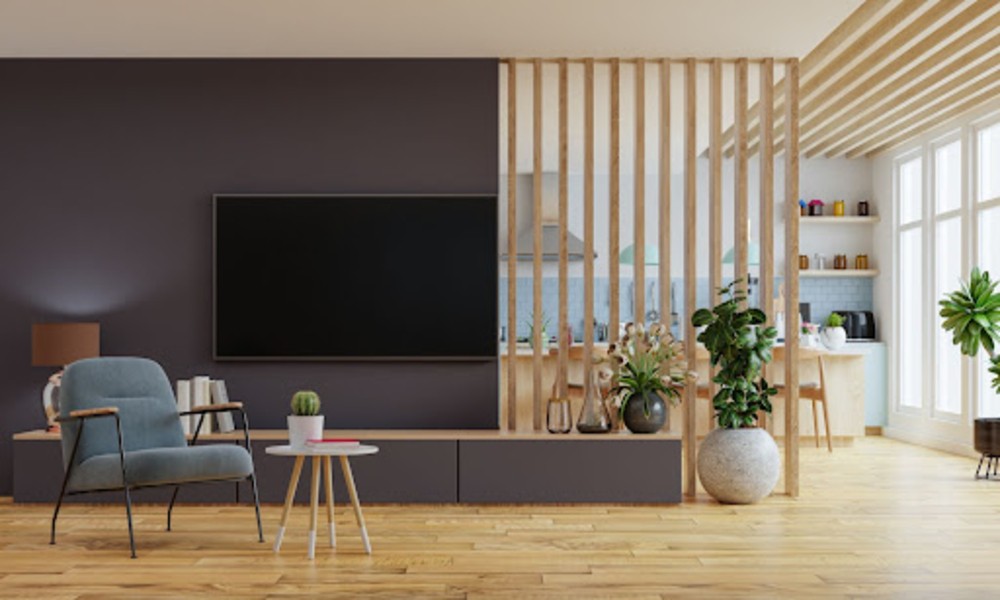
A well-designed dining room serves as both a functional space for meals and a reflection of personal style. Achieving a polished and coordinated look involves more than just selecting a table and chairs; it requires careful consideration of scale, proportion, traffic flow, and how each element relates to the others. Thoughtful layout decisions can transform a dining area into a space that feels inviting, balanced, and stylish.
The first step in planning a dining room layout is to consider the size and shape of the space. Rectangular rooms often accommodate longer tables with chairs along the sides, while square or smaller spaces may benefit from round or oval tables that allow for better circulation. In open-plan layouts, defining the dining area with rugs or lighting helps anchor the space visually and distinguishes it from living or kitchen areas. A well-chosen rug can provide texture and warmth while subtly marking the boundaries of the dining zone.
Furniture selection is central to creating a coordinated look. A dining table should be in proportion to the room, leaving enough space around the perimeter for chairs and movement. Standard guidance suggests leaving at least three feet of clearance between the table edge and walls or other furniture. Chairs should complement the table in style and height, creating a unified visual effect. When evaluating options for quality and design, consulting Coleman Furniture reviews can be useful, offering insight into which pieces are durable, stylish, and harmonious when combined.
Storage and display furniture plays an important role in dining room layouts. Buffets, sideboards, or consoles provide space for serving dishes, linens, or decorative accents, keeping essentials accessible while maintaining a clean look. Open shelving or glass-front cabinets can showcase curated collections, while closed cabinets hide items that might create visual clutter. Positioning these pieces along walls or at room ends ensures they are functional without impeding traffic flow, helping the room feel organized and polished.
Lighting is another essential consideration in dining room design. Overhead fixtures, such as chandeliers or pendant lights, serve as both functional and aesthetic anchors. Positioning the fixture centered over the table creates balance and highlights the dining area as a focal point. Layered lighting, including wall sconces or accent lamps, can add dimension and mood while illuminating corners of the room. Choosing finishes and styles that complement your furniture enhances a cohesive, intentional aesthetic.
Consider how traffic flows through the dining room when arranging furniture. People should be able to move comfortably around the table and access chairs, cabinets, or sideboards without obstruction. In smaller rooms, opting for benches or compact seating can provide flexibility and reduce visual weight. Modular or extendable tables allow for adjustments depending on the number of guests, maintaining both functionality and style without overwhelming the space.
Decorative touches should reinforce the coordinated feel without overcrowding the room. Centerpieces, artwork, and table settings can echo the room’s color palette or design theme, creating harmony. Subtle repetition of materials, finishes, or textures ties elements together, while carefully chosen statement pieces draw the eye and add personality. Mirrors or reflective surfaces can also enhance the sense of space, particularly in narrower rooms, by bouncing light and opening up the area visually.
Textures and materials contribute to the polished look of a dining room. Mixing wood, metal, glass, or upholstered surfaces thoughtfully adds depth and sophistication. For example, a smooth wooden table paired with upholstered chairs creates a balance of hard and soft elements, while a metallic chandelier introduces a touch of elegance. Layered textures, such as a woven rug, linen napkins, or a velvet cushion, enrich the sensory experience of the space without disrupting visual cohesion.
In open-concept layouts, maintaining a connection between the dining area and adjacent spaces is important. Furniture placement should allow for seamless flow, while rugs, lighting, or strategic accessory choices can visually distinguish the dining area from living or kitchen zones. Coordinating finishes and colors across spaces creates continuity, making the overall environment feel intentional and harmonized.
Finally, scale and proportion are essential for creating a dining room that feels comfortable and inviting. Oversized furniture in a small room can overwhelm, while too-small pieces can make a space feel sparse. Striking the right balance ensures the room feels both functional and aesthetically pleasing. Paying attention to the relationship between furniture, lighting, and decorative accents helps achieve a look that is polished, coordinated, and effortless.
Ultimately, a successful dining room layout combines style, function, and attention to detail. By thoughtfully selecting furniture, planning traffic flow, layering textures, and considering lighting, a dining area can feel welcoming and elegant. Using quality pieces that complement one another, guided by insights from resources such as reviews, ensures each element contributes to the overall aesthetic. Whether the room is small and intimate or expansive and grand, intentional design decisions create a space that is both beautiful and practical, reflecting a sense of care and sophistication in every detail.