

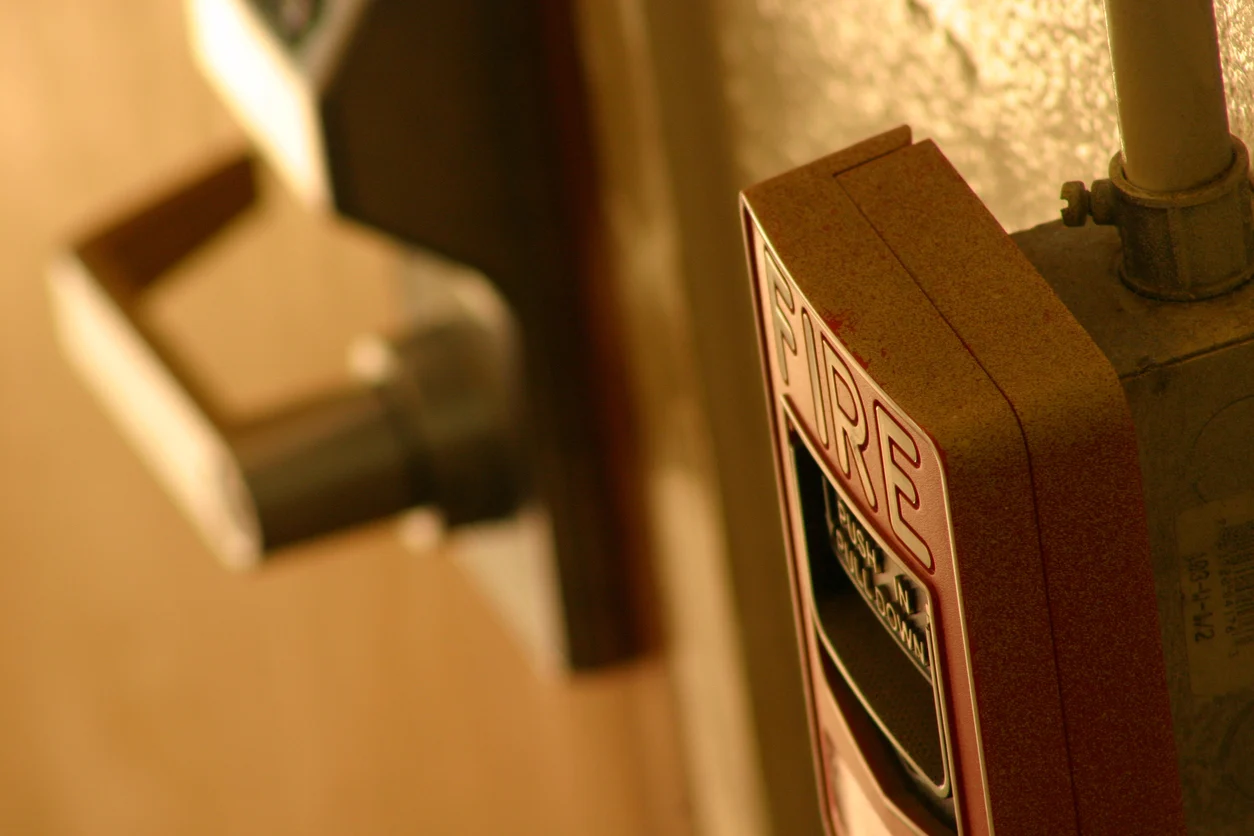
Fire alarm inspections in Utah are essential to ensuring that a building’s life safety systems operate correctly when they are needed most. While many people hear about inspections, few understand what actually happens during the process.
This article walks through a typical fire alarm inspection from start to finish, explaining how technicians test equipment, verify system accuracy, and ensure compliance—without disrupting occupants or emergency responders.
Notifying Emergency Services Before Testing Begins
Before any inspection or testing takes place, technicians notify both the fire alarm monitoring center and the local fire department. This step is critical because testing can trigger alarms that would otherwise be interpreted as real emergencies.
By alerting authorities in advance, unnecessary dispatches are avoided, ensuring that emergency resources remain available for real incidents while testing is underway.
Why Fire Alarm Inspections Require Two Technicians
Fire alarm inspections are performed by a two-person team to ensure accuracy and efficiency. One technician remains at the fire alarm control panel, while the second moves throughout the building testing devices.
This coordinated approach allows one technician to activate devices in the field while the other confirms that the control panel receives the correct signal and displays the proper device location.
Starting at the Highest Point of the Building
Inspections typically begin at the highest level of the building and work downward floor by floor. This top-to-bottom method ensures that no devices are overlooked.
In older buildings, access points such as attics, stairwells, and mechanical spaces must be carefully navigated to locate every smoke detector, pull station, and related component.
Inspecting and Testing Smoke Detectors
Smoke detectors are tested using specialized tools designed to simulate smoke conditions safely. These tools release a controlled aerosol that causes the detector to activate without introducing real smoke.
Once activated, the technician at the fire alarm control panel verifies that the signal is received and that the system correctly identifies the detector’s location. Accurate location reporting is critical so first responders know exactly where to respond during an emergency.
Each smoke detector is tested individually, even those located in tight or concealed spaces.
Inspecting and Testing Manual Pull Stations
Manual pull stations are another critical component of the fire alarm system. To test them, the technician activates the handle, triggering an alarm signal.
The technician at the control panel confirms the activation and location, after which the pull station is reset using a key. During this phase, audible and visual notification devices are often disabled to prevent unnecessary disruption to occupants.
Moving Floor by Floor Through the Building
After completing inspections on one floor, the technician proceeds to the next level and repeats the same testing process. This continues until all floors—including basements and utility areas—have been inspected.
This methodical approach ensures that every device connected to the system is accounted for and functioning properly.
Testing Fire Alarm Horns and Strobes
Once individual initiating devices have been tested, technicians move on to testing the notification appliances, including horns and strobes.
Before activating them, occupants are informed so they are not startled by the alarms. The system is then activated, and technicians walk through the building to verify that all horns sound correctly and all strobes flash as required.
After confirmation, the system is silenced and reset.
Verifying Battery Backup Systems
Fire alarm systems rely on battery backups to remain operational during power outages. As part of the inspection, technicians test the batteries inside the fire alarm control panel to ensure they can provide adequate power.
Battery condition is checked, and any failing units are replaced. Related power components that support detectors, horns, and strobes are also tested to ensure uninterrupted operation.
Completing the Fire Alarm Inspection
A fire alarm inspection involves many detailed steps, each of which plays a vital role in ensuring system reliability. From device activation and location verification to notification testing and power checks, every part of the system must function as designed.
Thorough inspections help confirm that a building’s fire alarm system will perform correctly during an emergency—protecting lives, property, and first responders alike.