

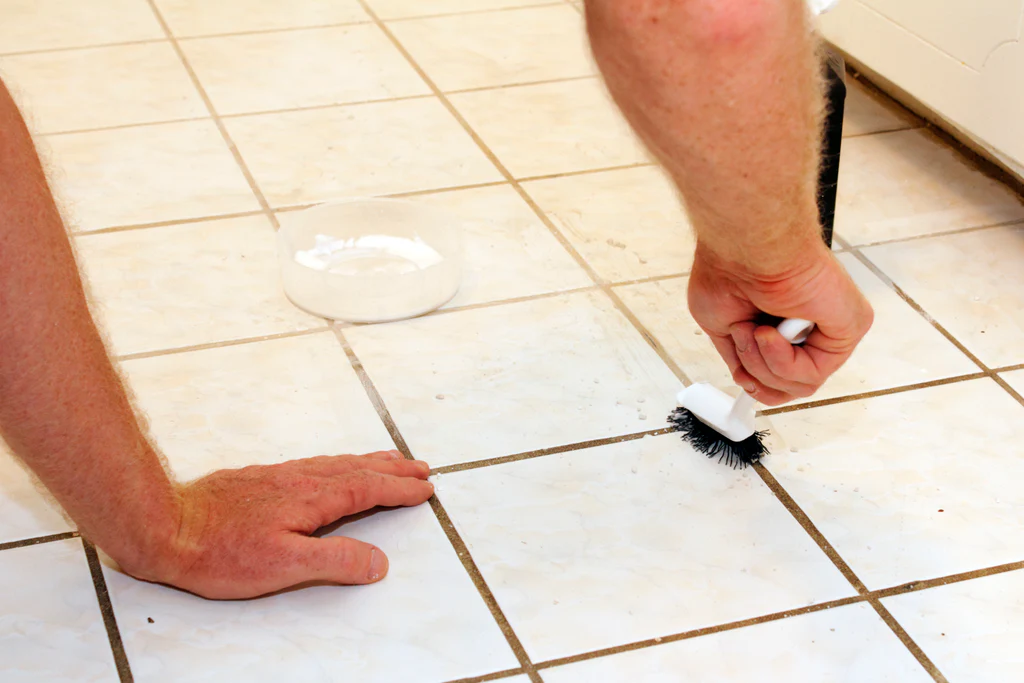
Tile gets beaten up over the years. Grime builds. Surfaces scratch. Grout turns colours nobody wants. Glass clouds over. Everything looks aged and worn. Refresh services from tileandgroutcleaningsunshinecoast.com.au bring tiles back without ripping them out. Methods vary depending on tile type and how bad things got. Ceramic needs different treatment than natural stone. Porcelain handles aggressive approaches. Glass requires a gentler touch. Picking the wrong techniques damages tiles permanently.
Steam breaks bonds
High-temp steam loosens crud that mopping never touches. Commercial equipment hits over 200 degrees, with pressure that household steamers can’t match. Heat and pressure combo breaks bonds between grime and tile. Stuff that stuck to surfaces for years releases under professional steam. Vacuum extraction pulls dirty water away instantly. No redeposit. No spreading mess around. Dirt comes up and out. Multiple passes over bad spots lift buildup layers gradually. Works great on textured tiles where dirt hides in tiny surface pits and grooves. Brushes can’t reach those spots. Mops glide over them. Steam penetrates, getting everything out.
Scrubbing machines attack
Rotary scrubbers with different brush stiffness tackle various tile types. Soft brushes on delicate stone. Heavy buildup is handled by stiff brushes on ceramics and porcelain. A machine applies steady pressure, which is impossible to maintain by hand. Streaks are prevented by orbital motion. Covers entire surfaces evenly without missing random spots that always get skipped during manual scrubbing sessions. Diamond pads grind away surface damage on hard tiles. The abrasive literally shaves off damaged top layers, revealing fresh material underneath. An aggressive approach works on porcelain and some ceramics. Destroys softer natural stone if used incorrectly. Technicians match pad grit to tile hardness. Too coarse removes excessive material. Multiple passes with finer grits smooth everything to polished finishes.
Chemistry strips deposits
Acid washing removes mineral deposits and hard water stains. Alkaline products cannot dissolve calcium, lime, or rust. Acids stay on tiles only. Grout suffers damage from acidic exposure. Careful application using brushes or bottles keeps chemicals where they belong. Acid treatments are effective for cleaning shower glass and chrome. In order to prevent etching damage to natural stone, pH-neutral alternatives are recommended. The non-porous nature of porcelain makes it a good material for handling acids. By using alkaline degreasers, soap scum, body oils, and organic mess can be effectively removed:
- High pH cleaners work opposite to acids, tackling different soil types
- Kitchens benefit from alkaline treatments, removing cooking grease
- Bathrooms use them for soap scum on walls and tub surrounds
- Each soil type needs specific chemistry for removal
Polish brings shine
Wear and bad cleaning wear down the shine of the stone. Granite, marble, and travertine work well with polishing compounds. Fine abrasives in compounds smooth surface flaws, causing dullness. Progressive stages move from coarse to fine grits, building gloss. Removes light scratches, etching, and general wear marks piled up over time. Honing creates matte finishes on stone where gloss looks wrong or shows water spots too easily. Removes surface material through controlled abrasion, stopping before reaching polished stages. Honed stone hides minor flaws better than polished surfaces. Bathroom floors often get honing since wet, glossy tile becomes a skating rink, which is dangerous. By combining systematic cleaning, repair, and protection methods, old tiles are brought back to like-new condition.